Common Perinatal Concerns
The transition to parenthood can bring many emotional challenges. You do not need to go through them alone. I support mothers through pregnancy, postpartum, and early parenting with warmth, compassion, and practical support.
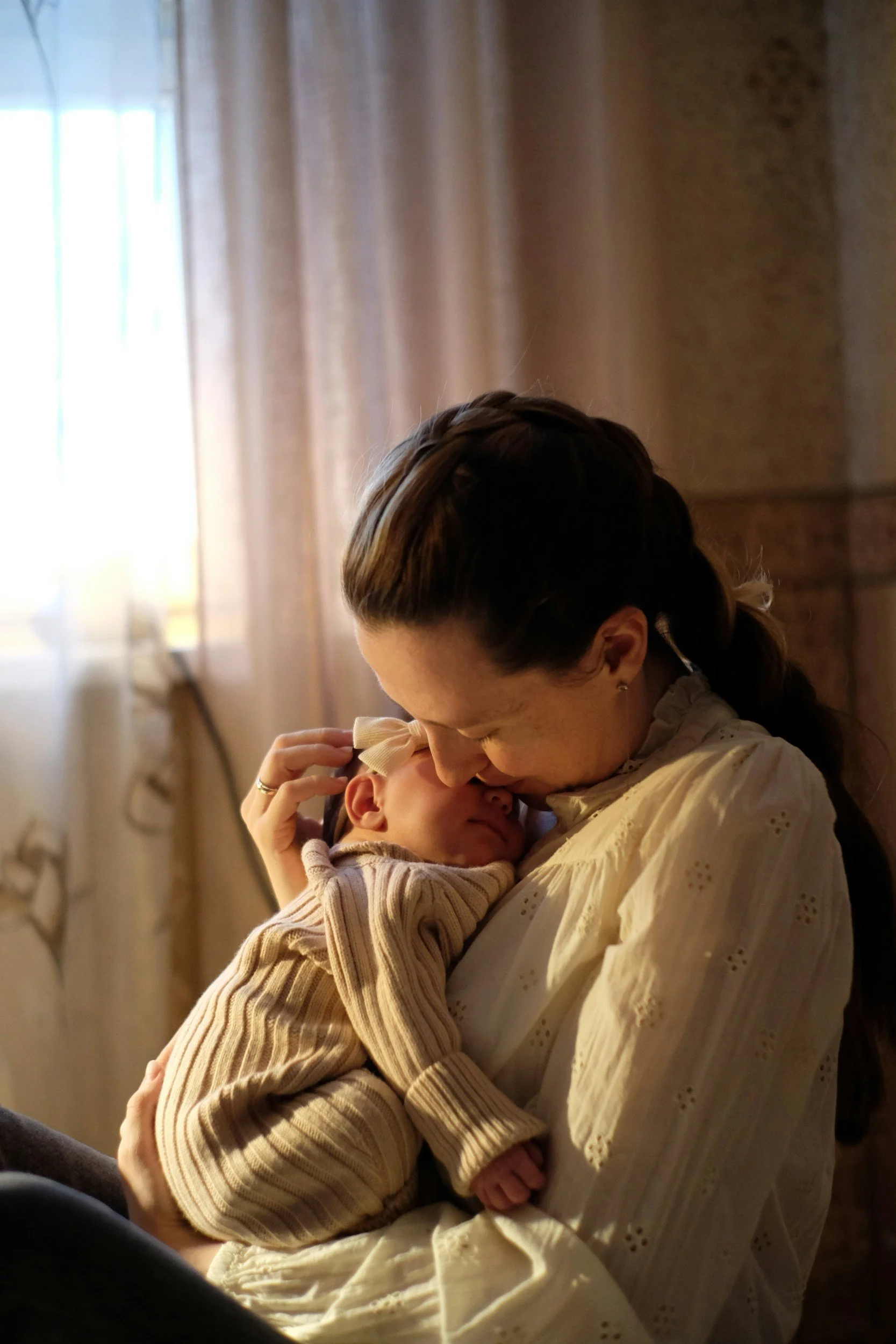
You Are Not Alone
Pregnancy, postpartum, and early parenting can affect mental health in many different ways. Some mums notice they are feeling more worried, overwhelmed, emotional, or unlike themselves. Others may be struggling with scary thoughts, anger, burnout, or the pressure to cope with everything on their own.
Whether you are pregnant, have a new baby, or are navigating life with toddlers and young children, support can help.
-
Postpartum depression is more than just feeling emotional after having a baby. It can affect how you feel, think, connect with others, and cope with day-to-day life.
Feeling low, flat, numb, or tearful most of the time
Losing interest in things you used to enjoy
Feeling disconnected from your baby, partner, or yourself
Feeling guilty, hopeless, or like you are not a good enough mum
Struggling with motivation, sleep, appetite, or energy
-
Many mums experience constant worry during pregnancy or after having a baby. You may find yourself overthinking, feeling on edge, or struggling to switch off.
Constant worry about your baby’s health, safety, or development
Feeling restless, tense, or unable to relax
Racing thoughts or difficulty sleeping, even when your baby sleeps
Feeling overwhelmed by everyday tasks or decisions
Avoiding situations because they feel too stressful or scary
-
Scary or unwanted thoughts can be very distressing, especially if they feel out of character or hard to control. These thoughts are more common than many mums realise.
Repeated unwanted thoughts about accidental harm coming to your baby
Feeling distressed or frightened by your own thoughts
Checking, seeking reassurance, or avoiding certain situations
Feeling like you need to do things in a particular way to keep your baby safe
Worrying that having these thoughts means something about you
-
The transition to motherhood can be especially overwhelming for neurodivergent women. Sensory overload, sleep deprivation, changes to routine, and the mental load of parenting can make things feel even harder.
Feeling overstimulated or emotionally overwhelmed
Struggling with routine changes, planning, or organisation
Feeling more anxious, exhausted, or burnt out than expected
Feeling different from other mums or worried you are not coping well enough
Wondering if ADHD or autism may be contributing to how difficult things feel
-
Mum rage can feel intense, sudden, and confusing. It often happens when you have been coping with too much for too long.
Feeling irritated or angry more often than usual
Snapping over small things and then feeling guilty afterwards
Feeling overstimulated, touched out, or emotionally flooded
Carrying too much without enough support
Feeling ashamed because your reactions do not feel like you
-
Many mothers are carrying a huge mental load. When you are constantly giving to everyone else without enough support, it is understandable to feel exhausted.
Feeling emotionally and physically drained
Feeling touched out, overwhelmed, or like you never get a break
Losing patience more easily than usual
Struggling to juggle work, parenting, home life, and relationships
Feeling like there is no time left for yourself